Magic Script: A Maker's Dream Script Font for Crafting
The first time I unzipped Magic Script and typed out a sample word, I was sitting at my desk with a stack of blank candle labels beside me. I needed something that felt personal but polished, something with enough movement to catch the eye on a small glass jar. I typed “Vanilla & Cedar” in the preview panel, and the letters flowed across the screen with this effortless, dancing rhythm. It was the kind of script font that made an everyday product feel instantly intentional.
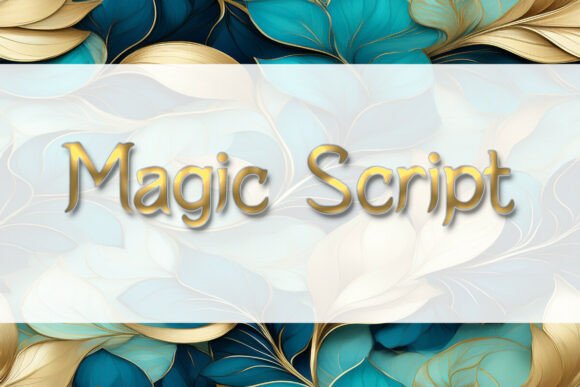
Magic Script has a visual personality that sits somewhere between relaxed handwritten charm and refined calligraphic elegance. The strokes have a natural bounce, the connections between letters feel organic, and there is a warmth in the letterforms that avoids being overly delicate. It does not whisper. It speaks with a gentle confidence that works beautifully across a wide range of handmade products and creative materials.
Finding the Right Voice for Handmade Labels and Packaging
I design a lot of candle labels for my own small-batch products, and the typeface I choose sets the entire mood before anyone ever lights the wick. With Magic Script, the name of the scent becomes the centerpiece. The ascenders lift gracefully, the descenders sweep without tangling, and the overall word shape remains readable even at smaller label sizes. I ran a test print on matte sticker paper, cut the labels with a simple oval shape, and wrapped them around amber jars. The font gave the packaging a boutique feel without looking mass-produced.
If you make soap labels, jar tags, or product wraps, the display font qualities of Magic Script really shine. It is best suited for short phrases, product names, and decorative wording rather than long paragraphs of body text. A single scent name, a short ingredient callout, or a small brand tagline is where this script typeface performs its best work. When I paired it with a clean sans serif font for the ingredient list and weight details, the contrast was exactly right—playful script for the hero text, quiet simplicity for the fine print.
Stickers, Tags, and the Joy of Small-Scale Design
Stickers are one of my favorite things to create, and testing Magic Script on a sticker sheet layout taught me a lot about its versatility. I designed a page of small round stickers with single words like “hello,” “handmade,” and “thank you” set in the font. At around one inch in diameter, the words needed to stay crisp and easy to read. The font held up well because its letter spacing is generous enough to avoid closing up loops and curves at reduced sizes.
For makers using cutting machines like Cricut or Silhouette, readability is more than a visual concern. The cutting blade follows the contours of each letter, so tightly connected scripts can sometimes cause snags or tear delicate paper. Magic Script balances its flowing connections with enough internal breathing room to cut cleanly. I tested a set of adhesive vinyl tags for gift bags, and the weeding process was smooth. The letters released neatly from the carrier sheet without losing their tails or loops.
When using this creative font for stickers under two inches, I recommend bumping the size just slightly for intricate words. Short names and single terms work reliably. For anything longer, a quick test cut on scrap material is always a smart habit.
Invitations, Greeting Cards, and Stationery That Feels Personal
Stationery design is where Magic Script truly feels at home. I brought the font into a birthday invitation mockup with a soft watercolor background and let the name of the birthday guest sit front and center. The letterforms gave the invite an immediate warmth, the kind that makes paper goods feel like a keepsake rather than just event logistics. The curves on the uppercase letters are especially lovely for monograms and single-initial accents.
Wedding invitation suites benefit from the same emotional quality. Magic Script works well for the couple's names on the main invitation card, and it transitions nicely to smaller accent pieces like escort cards, menu headers, and favor tags. The mood stays consistent across the entire suite because the font carries a cohesive brand identity without needing heavy embellishment. For designers creating premium font collections or selling editable invitation templates, this is a strong design asset to include in template previews and mockups.
Greeting cards, too, gain from the font's expressive lettering. A simple “thinking of you” on a folded card front feels handwritten but with the polish of professional modern typography. When I printed a batch on textured cardstock, the ink settled into the paper fibers beautifully, and the script retained its delicate contrast without breaking up.
Printable Wall Art and Digital Download Designs
Digital printables are a huge category for many handmade sellers, and Magic Script adds tremendous value to printable wall art, planner pages, and social media quote graphics. I created a simple “Home” printable with the word set large and centered, surrounded by a minimalist botanical frame. The font's natural rhythm carried the entire composition. The single word felt complete, decorative, and emotionally grounded—exactly what buyers look for in downloadable decor.
For planner page headers and section dividers, the script font brings a touch of personality to otherwise structured layouts. Days of the week, monthly titles, and goal-setting prompts look more inviting when set in flowing letters. The font pairs well with a straightforward serif font for daily scheduling boxes, creating a balance between creative expression and functional clarity.
When preparing digital download files for sale, always check the commercial font licensing terms. Magic Script is available through Script Amp in the Fonts category, and understanding the permitted uses for physical products, digital templates, and editable designs is essential before listing items online. Most commercial font licenses cover a broad range of creative work, but confirming the details protects your shop in the long run.
Apparel, Tote Bags, and Merchandise Applications
One of the most exciting moments in my product testing was pressing a short phrase in Magic Script onto a canvas tote bag. I used heat transfer vinyl cut with a Silhouette machine, and the results exceeded my expectations. The font's slightly casual baseline gave the text a relaxed, organic feel on fabric. A phrase like “slow mornings” or “gather here” takes on an almost hand-lettered look when ironed onto a natural cotton surface.
T-shirts and crewneck sweatshirts are another natural fit. Magic Script works best at moderate to large sizes on apparel, where the details of each stroke can be fully appreciated. For a small left-chest design, I suggest keeping the word count minimal—two or three short words at most. The handwritten font style reads as personal and approachable, which is exactly the aesthetic many boutique clothing brands and craft sellers aim for.
On mugs, the font curves gracefully around the cylindrical surface. I designed a simple wrap-style layout with a name in Magic Script and a small floral accent. The sublimation print transferred cleanly, and the letters maintained their sharpness along the edges. For curved surfaces, centering the text and allowing extra margin around the design helps the script feel balanced and intentional.
Seasonal Products and Holiday Crafting Projects
Seasonal product lines thrive on fonts that carry emotional warmth, and Magic Script delivers exactly that. I worked up a set of holiday gift tags using kraft paper and gold foil accents, with recipient names written in the font. The combination of rustic paper and flowing script created a handmade luxury feel that would suit Christmas markets, boutique holiday pop-ups, and seasonal online shop releases.
For autumn candle collections, the font's organic letterforms echo the cozy, homespun qualities that customers look for in pumpkin spice and harvest-themed products. Spring and Easter designs benefit from its lightness and bounce. The typeface adapts across seasons without losing its core character, which makes it a reliable workhorse for makers who rotate product lines throughout the year.
Thoughts on Font Pairing and Design Consistency
Pairing Magic Script with the right companion typeface elevates any project. I have found that a clean, light sans serif font creates the most versatile contrast. The simplicity of the sans serif grounds the more expressive script and keeps the overall design from feeling chaotic. For more traditional or formal projects, a delicate serif font works nicely as a supporting player, especially for body text on invitations and stationery suites.
Avoid pairing Magic Script with another highly decorative script font in the same design. The two will compete for attention and weaken the visual hierarchy. Let the script handle the hero moment, and let a simpler display font or clean sans serif handle everything else.
Exploring the font's included features also opens up creative possibilities. Many premium font files include alternates, ligatures, and swashes that let you customize the look of certain letter combinations. Checking the glyph panel in your design software can reveal alternate versions of letters that add even more personality to headlines and product names. The weights and file formats included in the download affect how the font performs across different programs, so reviewing what is bundled with Magic Script through Script Amp is a worthwhile step before starting a large project.
Production Tips for Real-World Results
After running Magic Script through multiple materials and formats, a few practical lessons stand out. On glossy sticker paper, the thinner strokes can appear slightly lighter than on matte surfaces. Adjusting the font weight or choosing a slightly bolder style, if available in the file package, can solve this. For printed cards and labels, testing on the actual paper stock before committing to a full print run saves time and materials.
When preparing files for cutting machines, welding the text is often necessary to create a continuous cut path. Magic Script connects most letter pairs naturally, but checking for gaps between certain characters before sending the file to a Cricut or Silhouette avoids surprises during weeding. For small-scale text on stickers and tags, bumping the size up by even a few points can make a meaningful difference in readability and production quality.
For digital product sellers, font previews in listing images are an important sales tool. Magic Script photographs well in mockup settings, and its letter shapes remain distinct even at the reduced sizes common in Etsy thumbnail previews. Clear typography in product images helps potential buyers understand exactly what they are purchasing, whether it is an editable template, a printable sign, or a physical item featuring the script.
Why This Font Earns a Permanent Spot in My Creative Toolkit
There is something satisfying about finding a script font that bridges the gap between casual handmade charm and the polish needed for customer-facing products. Magic Script does that without feeling trendy or disposable. Its letterforms nod toward traditional calligraphy but stay relaxed enough for everyday crafting, which means the work I create with it ages well. Whether I am pulling together last-minute birthday tags, refreshing my candle label designs, or building a new set of wedding invitation templates, I know the font will perform consistently and bring the right emotional tone.
For crafters, stationery designers, sticker makers, printable creators, and small shop owners, Magic Script from Script Amp is a creative font that adapts to an impressively wide range of handmade product applications. It brings warmth to packaging design, personality to social media graphics, and quiet confidence to logo design and brand identity projects. The typeface earns its place through reliable performance across physical and digital formats, and its generous multilingual support extends its usefulness for makers serving diverse audiences. A tool that feels good to use, project after project, is one worth keeping close.